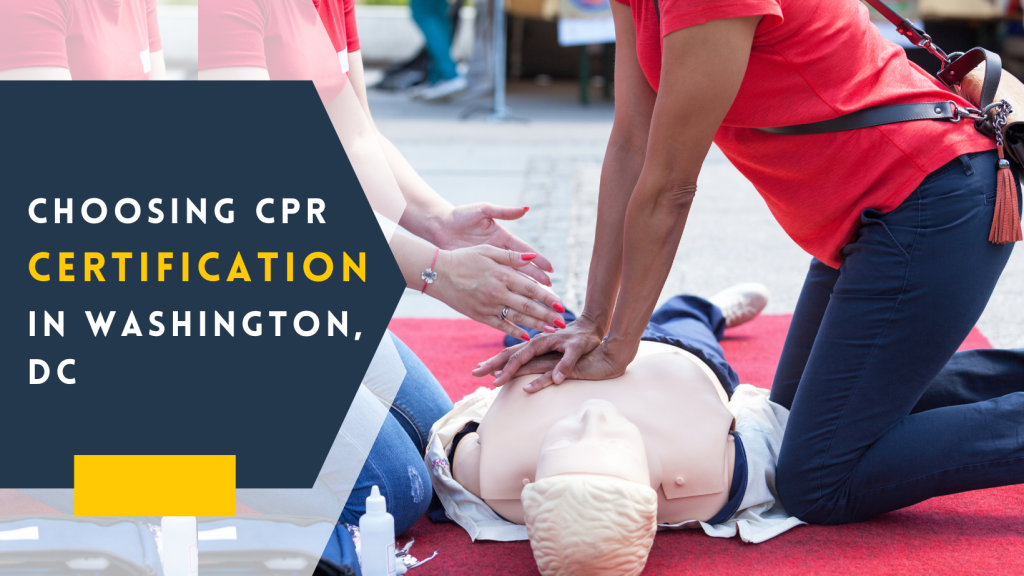
For healthcare professionals working in the fast-paced medical environment of the nation’s capital, keeping emergency certifications current is essential. Whether you’re employed at a leading hospital near downtown or in a smaller private clinic, the ability to act quickly during a medical emergency is a critical skill.
When exploring CPR certification in Washington, DC, you’ll find multiple training levels available. It’s important to recognize that each certification serves a different purpose. Your specific role and workplace responsibilities will determine whether you need basic knowledge or more advanced clinical expertise.
This guide outlines the differences between BLS, ACLS, and PALS courses, helping you choose the certification that aligns with your career needs.
Why Certification Matters in Washington, DC
Washington, DC hosts some of the most respected hospitals and research institutions in the country. In such a high-performing healthcare environment, employers require up-to-date certifications to maintain patient safety and care standards.
Earning CPR certification isn’t just a formality, it’s about being fully prepared. Emergencies can happen at any moment, and proper training ensures you can provide immediate, effective care during those crucial first minutes before additional help arrives.
Understanding the Certification Levels
For those new to healthcare, the different course names can be confusing. Here’s a simplified breakdown of the three main certifications.
1. BLS Course (Basic Life Support)
The BLS course is the foundation for most healthcare professionals. It’s typically required for nurses, EMTs, dental staff, and medical assistants. While similar to standard CPR training, BLS is tailored for clinical environments.
This course focuses on teamwork during resuscitation. Participants learn how to perform high-quality CPR across all age groups while working as part of a coordinated team. Training includes airway management, AED use, and synchronized chest compressions. For anyone beginning a healthcare career, BLS is the starting point.
2. ACLS Course (Advanced Cardiovascular Life Support)
The ACLS course builds upon BLS knowledge and is designed for experienced providers handling serious cardiac emergencies. It is commonly required for doctors, ICU and ER nurses, and paramedics.
ACLS training goes beyond basic CPR and introduces advanced clinical skills, such as:
- Recognizing and managing strokes and heart attacks
- Interpreting ECGs to detect dangerous heart rhythms
- Administering emergency medications
- Leading and coordinating a resuscitation team
In high-pressure hospital settings, ACLS certification ensures providers can effectively manage cardiac arrest situations from onset to stabilization.
3. PALS Course (Pediatric Advanced Life Support)
Children require specialized care, as their bodies respond differently than adults. The PALS course is intended for professionals who work with infants and children, including pediatricians, emergency physicians, and pediatric nurses.
This training follows a structured “assess, categorize, decide, act” approach tailored to pediatric care. It focuses on managing respiratory distress, shock, and cardiac emergencies in younger patients. Since children have unique vital signs and medication requirements, PALS certification is essential for safe and effective treatment.
Choosing a Training Provider in DC
When selecting a CPR certification provider in Washington, DC, look for programs accredited by reputable organizations such as the American Heart Association (AHA). AHA certifications are widely recognized and accepted by healthcare employers.
Keep these factors in mind when choosing a course:
- Flexible Scheduling: Options like evening or weekend classes are ideal for busy professionals
- Hands-On Training: Ensure the course includes in-person practice with manikins
- Same-Day Certification: Immediate proof of completion can be crucial for employment requirements
Stay Certified and Ready
In the healthcare field, letting your certification expire can impact your job and your readiness to respond in emergencies. Whether you’re renewing your credentials or enrolling in a BLS course for the first time, staying proactive is essential.
Register for your ACLS or PALS course today to meet Washington, DC’s high healthcare standards. Maintaining your certification not only fulfills job requirements but also equips you with the confidence and skills to save lives when it matters most.
 Understanding CPR: Techniques, Benefits, and Training Options
Leave a comment